
Corporate Event Planning in Western Australia: What Most Companies Get Wrong
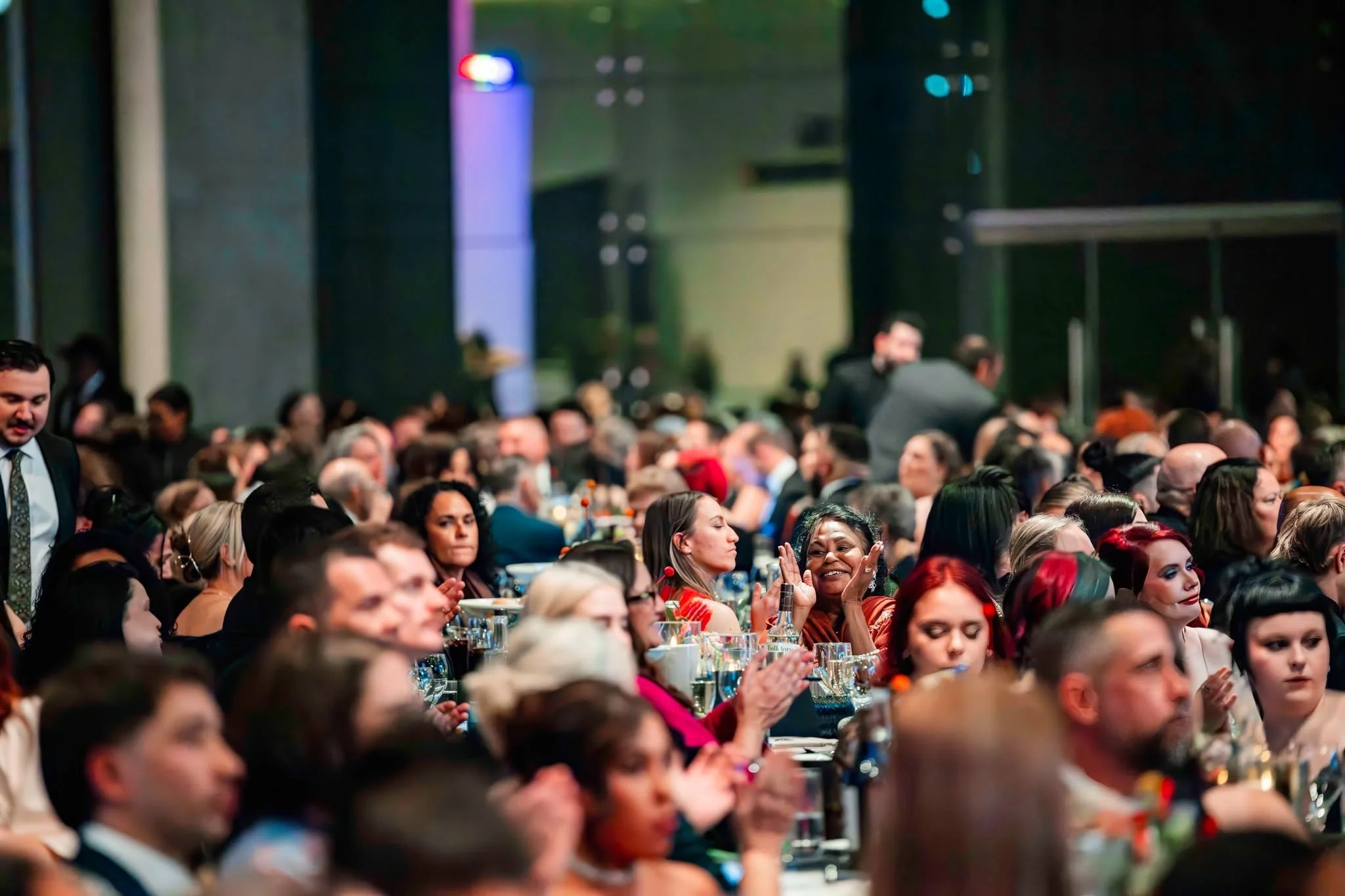
Most Corporate Events in WA Are Forgettable. Here's Why And How to Fix It.
I've been in events since 2011. Started from a home office in Karratha, no big team, no fancy office, just a genuine belief that regional WA deserved world-class experiences. Over the years, we've delivered events for Fortescue, Rio Tinto, BCI Minerals, government departments, and Aboriginal corporations from the Pilbara to the Perth CBD.
I've seen a lot. And I'll be straight with you — most corporate events miss the mark. Not because the teams running them don't care. They do. But because there are a few critical mistakes that keep showing up, over and over again, regardless of budget.
Here's what I see going wrong, and what actually works.
1. The Brief Is Too Vague to Build From
Most event briefs I receive say something like: "We want our people to feel appreciated and connected." That's a nice sentiment. It's not a brief.
A brief needs to tell me who's in the room, what you want them to feel when they leave, and what success actually looks like when you debrief with your CEO the following week. Without that clarity, every decision from venue to run sheet becomes a guess.
The fix is simple. Spend 30 minutes answering three questions before you talk to any supplier: What is the single most important thing attendees should take away from this event? What would make this event a failure? Who are the decision-makers who need to be on the same page before planning begins?
Everything else flows from those answers.
2. The Audience Is Treated as One Group When It Isn't
This is especially common in resources and mining sector events across WA. You might have FIFO workers flying in from site, Perth-based executives, and community stakeholders all in the same room. Those are three very different audiences with three very different needs, energy levels, and expectations.
A programme designed for one will frustrate the other two. FIFO workers often have early starts and tight travel windows, so late-running evening events work against them. Executives want clarity and outcomes. Community members want to feel respected, not rushed.
The best corporate events I've delivered are built around the audience first, the logistics second. Know who's in the room. Design for them.
3. The Location Is an Afterthought, Not a Strategic Asset
Perth has a lot of event venues. So does the Pilbara. But most companies default to the same familiar spaces year after year, not because they're the right fit, but because they're easy to justify.
The venue is part of the message. A regional community event held in a Perth CBD function room with 4 white walls sends the wrong signal. An awards night designed to honour your site workers should feel like it belongs to them, not to head office.
When we ran events for Rio Tinto's Service Awards in Paraburdoo, the location wasn't a compromise. It was a deliberate choice that made the recognition feel real for the people being honoured. That matters more than most planners realise.
Ask yourself honestly: Does this venue serve the audience, or does it serve whoever approved the budget?
4. Cultural Inclusion Is Bolted On, Not Built In
Western Australia has the highest proportion of Aboriginal Australians of any state. If your organisation is working in regional WA or the Pilbara, there's a very high chance your workforce, your community stakeholders, or your partners include First Nations people.
And yet, cultural inclusion is often the last thing added to an event, usually in the form of a Welcome to Country sandwiched between two agenda items with no real thought given to timing, prominence, or meaning.
Done well, cultural inclusion isn't a compliance checkbox. It's a way of grounding your event in the place and people it exists within. It signals respect. And for organisations in WA's resources sector, it builds exactly the kind of trust that sustains long-term relationships with traditional owner groups and Aboriginal corporations.
This is something I'm deeply committed to at Wrapped Creations, an Aboriginal-owned business built in and for this country. We don't add culture to events as an afterthought. It's part of how we think from the very beginning.
5. The Post-Event Plan Is Nonexistent
You spend months planning an event, a small fortune delivering it, and then it's over. The photos go to the comms team. The run sheet goes in a folder. And six months later, someone has to start from scratch for the next one.
That's a significant missed opportunity.
Every corporate event generates useful content, feedback, and momentum if you capture it. Turn keynote takeaways into LinkedIn articles. Use event photography to tell the story internally and externally. Collect feedback systematically so you can justify the investment and improve next time.
An event isn't just a moment. It's a platform. Use it like one.
The Bottom Line
Corporate event planning in Western Australia has its own set of challenges that planners elsewhere simply don't face. Regional logistics. FIFO workforce dynamics. Cultural protocols. Extreme weather. Vast distances between locations. These aren't complications. They're part of the job.
After 15 years of building events from the ground up in this state, I can tell you the ones that work have one thing in common. They were built around people, not around a programme template or a past year's checklist.
People don't remember events. They remember how they felt at them.
If you're planning a corporate event in Perth, the Pilbara, or anywhere across regional WA and you want it to actually land, I'd love to talk.