
Walk into an empty venue and there’s plenty to consider. Where will registration go? How should the stage be positioned? Will people be able to move comfortably between sessions?
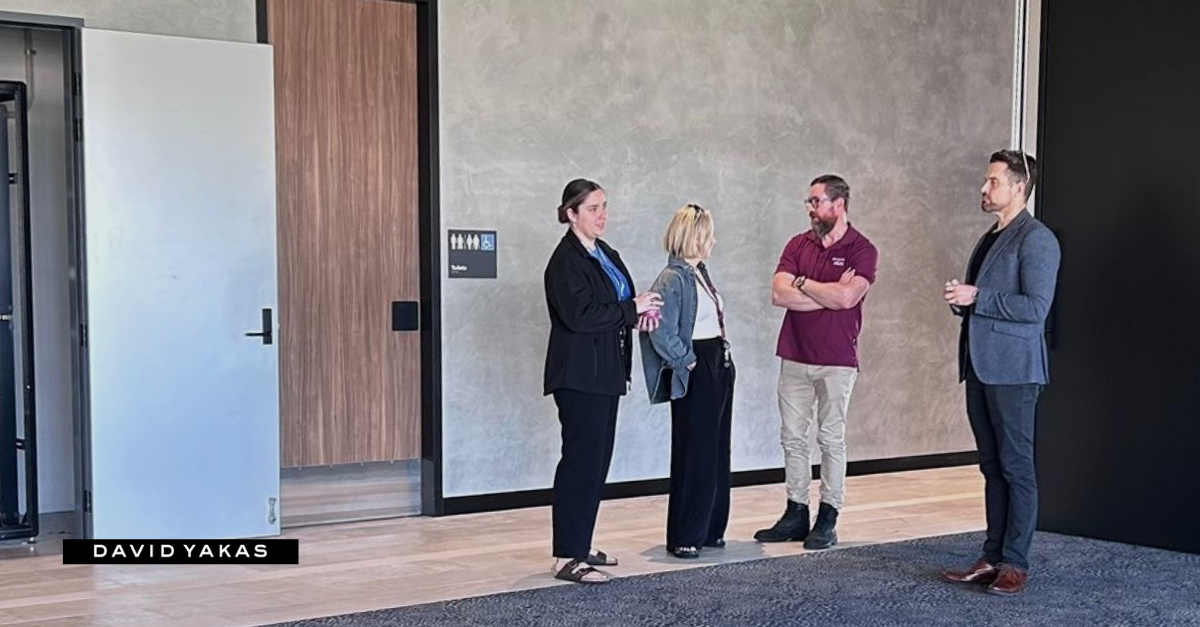
Those details matter. But the answers depend on decisions that begin well before the site visit.
Why are we bringing people together? What are we asking the team to deliver? What should happen after everyone leaves?
As a CEO and event strategist, I see these as leadership decisions. They give the planning team direction and help connect the experience in the room with the organisation’s wider goals.
Here are five decisions worth making early.
1. Define why the event deserves people’s time
An invitation asks people to make a commitment.
They may need to travel, arrange cover at work, stay overnight or give up an evening with family. The event needs a clear purpose that makes that commitment worthwhile.
“Bring our stakeholders together” is a starting point. It still leaves important questions unanswered.
What do those stakeholders need to understand? What does the organisation need to hear from them? Is the event intended to build relationships, support a decision or help people take action?
This is Meaning, the first pillar of my Event Impact Framework. Understanding why the event exists gives the team a basis for making decisions.
For example, an event designed to gather feedback needs time and a format that allow people to contribute. Filling the programme with presentations could make that purpose difficult to achieve.
Before discussing the agenda, finish this sentence:
“This event will be worthwhile if…”
Then make sure the people responsible for planning it agree on the answer.
2. Match the ambition to the team’s capacity
Every addition to an event creates work.
Another speaker needs briefing. A second room needs staffing and equipment. An extra activity needs planning, communication and someone responsible for delivery.
Leadership means understanding those requirements before making a commitment.
Bring the delivery team into the conversation while the scope is still flexible. Ask what the proposed experience requires in terms of budget, people, preparation and access.
For regional events, include local knowledge and supplier availability early. Travel, freight and accommodation can affect which options are practical.
A useful question is:
“What would need to change for us to deliver this well?”
That gives the team room to explain the trade-offs and helps everyone agree on a realistic plan.
3. Make it easy to raise a concern
Someone close to the work may notice a problem before the person leading it.
A supplier might see that the setup window is too short. A coordinator might spot conflicting instructions. A team member might realise an important decision is still outstanding.
Those observations are valuable while there is time to act.
The way a leader responds influences whether people speak up again. Listen to the concern, understand its likely effect and agree on what happens next.
Encourage people to explain:
What they have noticed.
What could happen if it remains unresolved.
What decision or support they need.
They may not have a complete solution yet. Raising the issue early gives the team a chance to find one.
4. Decide who has authority to act
Assigning a task does not automatically clarify which decisions someone can make.
During delivery, uncertainty about approval can leave people waiting while a manageable issue becomes more difficult.
Before the event, work through a few likely situations. Who handles a speaker running over time? Who can approve a layout adjustment? What happens when a client requests something outside the agreed scope?
Give people clear boundaries, including which changes require approval and who is available to provide it.
A simple decision guide can help: the situation, the person responsible and the point at which it needs to be escalated.
The aim is to give the team enough clarity to act confidently within their responsibilities.
5. Give the follow-through an owner
An event may finish on Friday while its most valuable work continues the following week.
Introductions need following up. Feedback needs reviewing. Decisions need communicating. Commitments made in the room need to be honoured.
Allocate responsibility and time for that work before the event begins.
The same applies to measurement. If the purpose is to build relationships, attendance alone will not tell you whether that happened. You might also examine relevant introductions, follow-up conversations or feedback about the quality of connections.
The measures should reflect the original purpose.
Use these decisions to guide the planning
A strong event plan connects the reason for gathering with the experience people have and the action that follows.
These five decisions help establish that connection. They also give the team something practical to work with when priorities compete or circumstances change.
At your next planning meeting, put purpose, capacity, communication, decision authority and follow-through on the agenda. Resolve the uncertainties while there is still time to make thoughtful choices.
If you’re planning an event and need help connecting the business objective with the delivery plan, I’d welcome a conversation.