
Planning Events for FIFO Workers in WA: What Most Companies Get Wrong
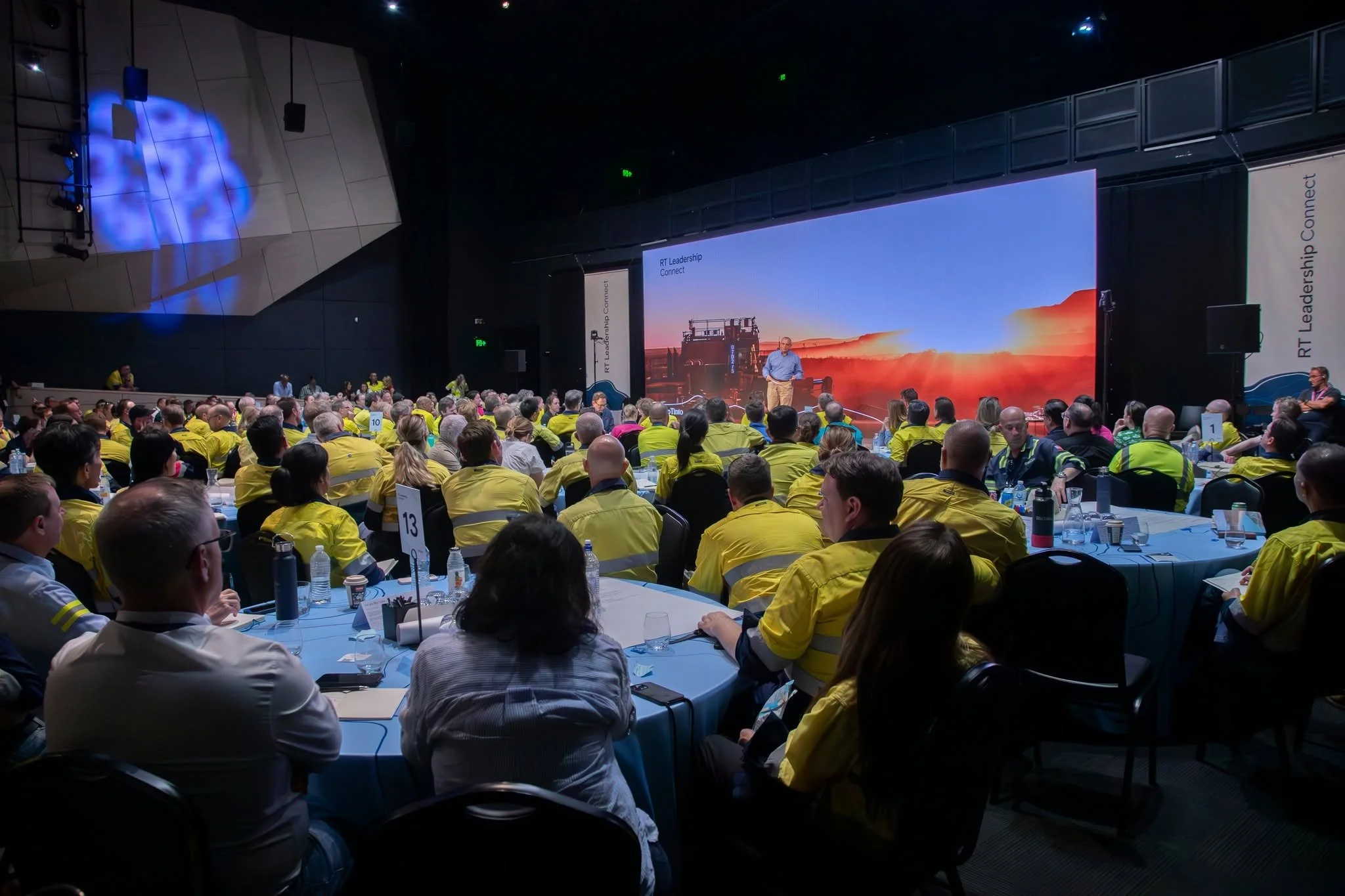
Here's a scenario I've seen play out more times than I can count.
A resources company invests serious money into an end-of-year celebration for their workforce. Good venue, good food, genuine intention to recognise the people who've kept the operation running. And then the event wraps up at 10pm on a Thursday. Half the room had a 4am flight back to site. The other half drove two hours to get there.
Nobody says it out loud, but everyone feels it. The company cared enough to throw a party. Just not enough to think about who was actually coming.
This is the gap I've built a career navigating. FIFO workers are not your typical corporate audience, and the sooner event planners understand that, the better the events get.
Their Time Is the Most Precious Thing You Can Respect
People who work FIFO schedules run their lives on a roster, not a calendar. Their time off is not downtime. It's the time they have with their kids, their partners, their communities. Every hour of their swing off is precious in a way that's hard to fully appreciate if you've never lived it.
When you plan an event that bleeds into their personal time, runs over, or stacks unnecessary pre-event obligations onto their plate, you're not just being inefficient. You're signalling that you don't actually understand how they live.
The most effective FIFO-focused events I've delivered are tight, purposeful, and finished when they say they'll finish. Start on time. End on time. Respect the roster.
Programme Design Has to Account for the Travel Reality
A FIFO worker attending a corporate event in Perth might have flown in the night before or that morning. They're carrying fatigue from the tail end of a swing. They're thinking about their flight home. Late-night formats, long gala dinners that run until midnight, or events that front-load important content first thing in the morning are all working against the audience.
The practical fix is not complicated. Run your main programming mid-morning to early afternoon. Keep the evening relaxed if you have one. Build in arrival buffer time and don't schedule anything critical in the first 30 minutes of the event, because some people will be late and it's not because they don't care.
Design the programme around how people actually arrive and feel, not how the agenda looks on paper.
The Venue Sends a Message Before Anyone Walks Through the Door
I've been to corporate events for mining sector workforces held in venues that would make more sense for a law firm's client dinner. High-end, formal, city-centric spaces that have nothing to do with the culture of the people being celebrated.
That's not a knock on nice venues. It's a reminder that the venue is part of the communication. When your FIFO workforce spends most of their working life in the Pilbara, bringing them into a Perth CBD ballroom and expecting them to feel celebrated can sometimes have the opposite effect. It can feel like the event was designed for someone else.
Some of our most successful events for resources sector clients have leaned into the regional context rather than away from it. Events in Karratha, Port Hedland, Paraburdoo. Events that met people where they actually were, both physically and culturally.
You don't always need to fly people to the city to show them they're valued. Sometimes showing up in their backyard says a lot more.
Recognition Has to Be Specific to Land
There's a particular kind of hollow that FIFO workers can feel when they sit through a corporate event full of generic "thank you for your hard work" messaging. They've given up weekends with their family, missed birthdays, managed long nights in the heat. Broad appreciation doesn't touch that.
Specific recognition does.
When Wrapped Creations delivered Rio Tinto's Service Awards in Paraburdoo, the entire event was built around calling out real people for real contributions, with the kind of detail that told each recipient the organisation actually knew what they'd done. That specificity is what makes recognition land. It's what people take home and tell their families about.
If you're planning an event that includes any kind of recognition, do the work beforehand. Talk to managers. Find the real stories. Mention the things people thought nobody noticed. That's the moment that stays with someone long after the event is over.
The Follow-Up Matters More Than You Think
FIFO workers can't linger. They don't do the slow post-event wind-down where insights and connections develop over a second glass of wine. When the event ends, a lot of them are heading straight to an airport or back to their accommodation.
That means if you want any momentum to carry beyond the day, you have to plan for it deliberately.
Send a debrief within 48 hours. Share key messages, photos, highlights. Give people something to forward to family or share with mates back on site. If there were commitments made at the event from leadership, put them in writing quickly. The window for follow-through is short, and FIFO workforces have a sharp radar for promises that quietly disappear once the event is done.
The follow-up is not an afterthought. For a FIFO audience, it's often where the event's actual impact lives.
Why This Matters Beyond the Event Itself
Employee engagement in the resources sector is a genuine business challenge. FIFO work is hard. Turnover is high. The companies that hold onto good people are, more often than not, the ones that put consistent effort into making their workforce feel genuinely seen.
Events are one of the most visible, tangible ways a company can demonstrate that investment. Done well, they build real loyalty. Done thoughtlessly, they confirm every suspicion a workforce might have that the company talks about people but doesn't really think about them.
I've seen both outcomes. The difference usually comes down to whether the planner actually understood who was in the room.
The Bottom Line
Planning events for FIFO workforces in WA is a specialised skill. The logistics are harder, the audience is more discerning about authenticity, and the margin for getting it wrong is thin.
But when you get it right, the impact is real. People who spend weeks away from their families remember the companies that treated them like the professionals they are.
If you're planning a workforce event in the Pilbara, Karratha, Port Hedland, or anywhere across regional WA and want to get it right, I'd love to talk.
Let's build something that your team will actually remember.
Get in touch with David or connect with the Wrapped Creations team to start the conversation.
David Yakas is a Perth-based event strategist, keynote speaker, and co-founder of Wrapped Creations, an Aboriginal-owned event management, marketing and design company operating across Perth, the Pilbara, and broader Western Australia. He built his career delivering events for some of WA's most demanding regional and resources sector clients.